Start with packed weight and handling
Give the total filled weight and describe sharp edges, concentrated loads, fragile parts or lifting points. Share the intended handling equipment and storage conditions.
Plan heavy-duty shipping cartons and partitions around packed weight, handling conditions, stacking, and pallets.

Give the total filled weight and describe sharp edges, concentrated loads, fragile parts or lifting points. Share the intended handling equipment and storage conditions.
Provide pallet footprint, layer count and stack height. Allow room for stretch wrap, straps and labels without designing around carton overhang.
Ply count alone does not establish load capacity. Agree on board grade, closure, partitions and any testing against your shipping requirements.
Plan outer packaging around pallet dimensions, transit conditions and the route to the consignee.
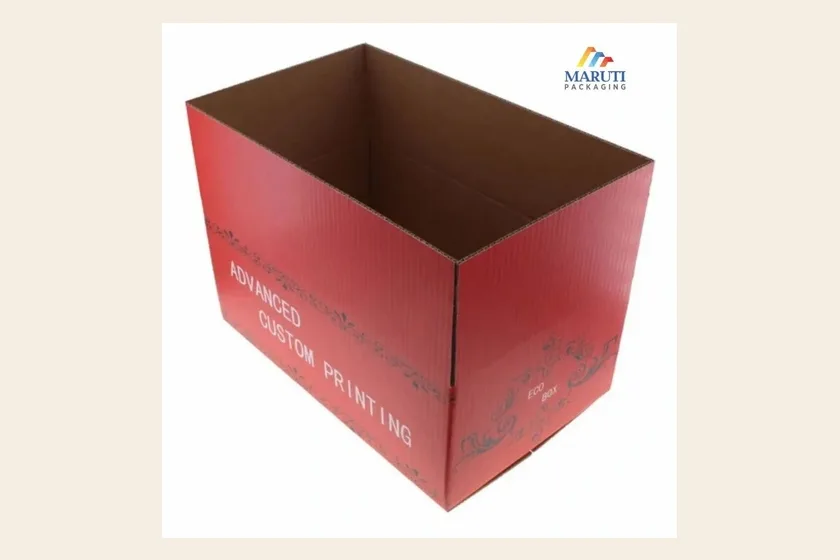
A triple-wall option for heavier or more demanding shipments. Share your handling and storage conditions before choosing a board grade.

Request a specification for heavy industrial loads. Include packed weight, storage conditions and how each carton will be moved.

A custom corrugated carton for individual automotive spare parts or grouped components headed to storage or dispatch.

A corrugated outer box for shipping batches of plastic bottle caps. Specify cap size, batch count and whether a liner or inner bag will be used.
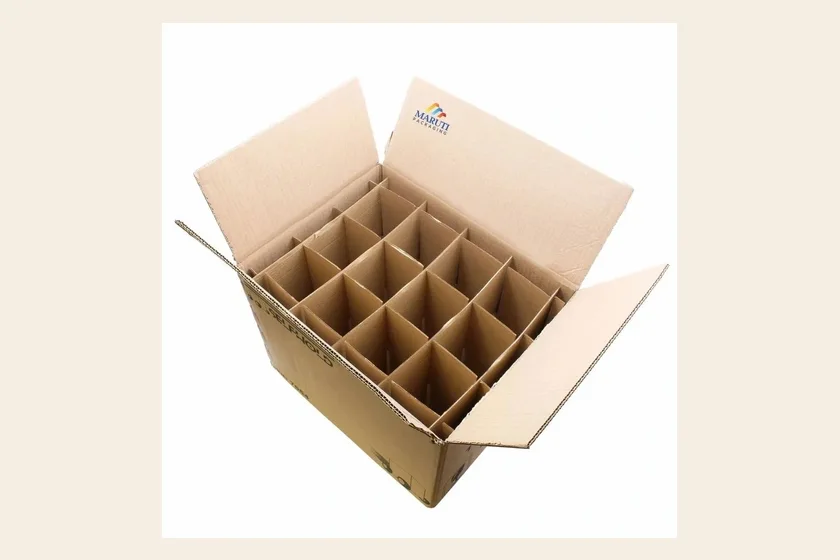
Internal dividers help keep individual items apart. Share the number of compartments and dimensions of each item.